Gen Z investors to prioritise ISAs over pensions
6 min

Gen Z (aged 18-27) investors intend to prioritise their Individual Savings Accounts (ISAs) over their pensions this year, while at the same time perceived frequent changes to rules are putting younger investors off investing and saving for retirement.
At a glance
- Younger investors plan on prioritising their ISAs over their pensions in 2026, according to our research¹
- Nevertheless, perceptions around rule changes to pensions and investing are discouraging Gen Z and millennials (aged 28-43)
- Speaking to a J.P. Morgan Personal Investing wealth expert can help you to navigate rule changes and explore how a combination of ISAs and pensions can support you towards meeting your financial goals.
A survey of 1,000 UK retail investors, commissioned by J.P. Morgan Personal Investing, revealed a preference among younger investors for ISAs over pensions.
Younger investors plan to prioritise their ISAs over their pensions in 2026. According to our survey, 69% of Gen Z investors and 63% of millennials will favour their ISAs this year. They are more flexible than a pension as, depending on the type of ISA, they can be accessed at any age, making them ideal for funding significant outlays at short notice. While a pension is the most effective retirement savings tool for most people, it can’t be accessed until the age of 55 (57 from 6 April 2028) for the majority of savers.
The majority of Gen Z and Millennials will prioritise their ISAs over their pensions this year
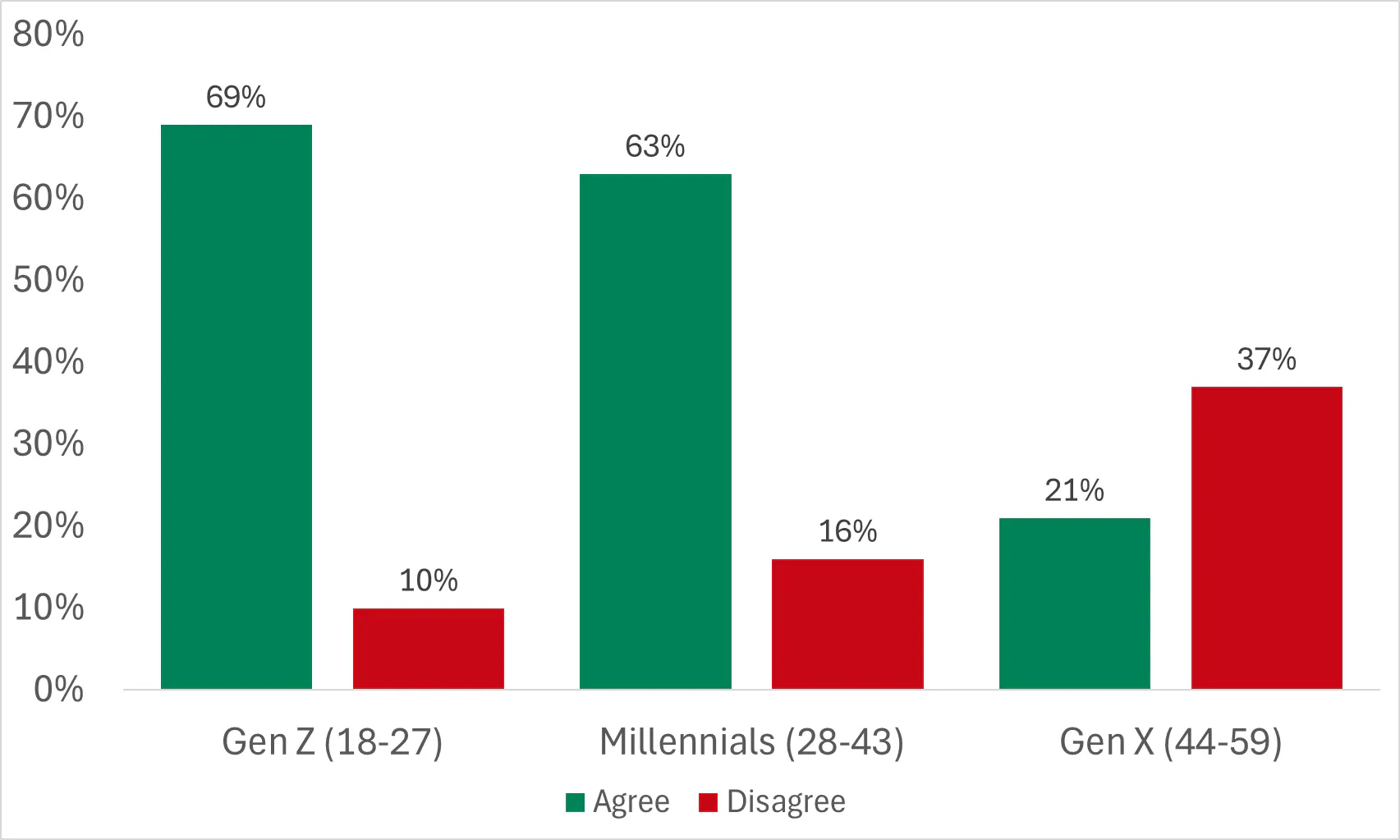
Source: J.P. Morgan Personal Investing survey of 1,000 UK retail investors. Chart measures intention to prioritise ISA over pension.
Young investors looking to put their money to work can choose from a range of tax-efficient investment products, which can help them achieve different financial goals, although tax rules vary by individual status and may change.
A Stocks and Shares ISA can be effective for saving towards a medium-term goal such as a house deposit. You can invest up to £20,000 per tax year in a Stocks and Shares ISA, which if done via J.P. Morgan Personal Investing will see your money invested in exchange-traded funds. You won’t pay any tax on returns or dividends earned through these investments.
The Lifetime ISA (LISA) can be an alternative – or a complement – to the Stocks and Shares ISA. It can be used by investors under the age of 40 to save for a first home (valued up to £450,000) or accessed tax-free from the age of 60. For every £4 you pay in, the government will give you £1 bonus, up to a maximum of £1,000 per tax year, and you can invest up to £4,000 each tax year until you turn 50. For withdrawals for any other purpose you’ll usually pay a 25% withdrawal penalty, which means you may get back less than you pay in. Investments in a LISA form part of your £20,000 annual ISA allowance.
“It’s a good idea for younger investors to make use of the tax efficiencies afforded by products such as the Stocks and Shares ISA when trying to meet their financial objectives,” says Claire Exley, Head of Financial Advice and Guidance.
“That said, we think most people should save into a pension as well, which also provides substantial tax efficiencies through tax relief,” she says. “Pensions can also have other benefits such as reducing your taxable income in the current tax year, which, depending on your income, can keep you in a lower tax band, or enable you to retain access to free childcare,” she adds.
Even with retirement in the distance, it’s sensible to start saving as soon as possible in order to give yourself the best chance of having a financially secure retirement. The Pensions UK/Loughborough University Retirement Living Standards estimate that a one-person household would spend £43,900 a year to enjoy a comfortable retirement of financial freedom and some luxuries. This rises to £60,600 a year for a two-person household.
Rule changes are irritating investors
Our study told us that investors are being put off contributing towards their pension, saving and investing by perceptions around changes to rules governing investment products.
“Constant changes to pension rules” are deterring 62% of Gen Z investors from saving for retirement, a figure that rises to 64% of millennials. By way of comparison, 32% of Gen X (aged 44-59) investors felt the same way. For example, the government announced in the 2025 Autumn Budget that from April 2029, only the first £2,000 of employee pension contributions through salary sacrifice each tax year will be exempt from employer and employee National Insurance Contributions (NICs). Employee contributions above this amount will be subject to NICs. The salary sacrifice arrangement can help to reduce the amount of income tax that you pay. There is currently no cap on salary sacrifice.
An apparent reluctance to save for retirement is particularly striking given that most employees are automatically enrolled into a workplace pension, making this component of retirement saving a relatively passive method of accumulating wealth. More broadly, changes to rules and allowances are discouraging younger investors from saving or investing, according to our survey, creating inertia and indecision during what is a critical period in people’s lives for accumulating wealth.
Gen Z, millennials and Gen X all agree that changes to rules and allowances are a deterrent to saving or investing
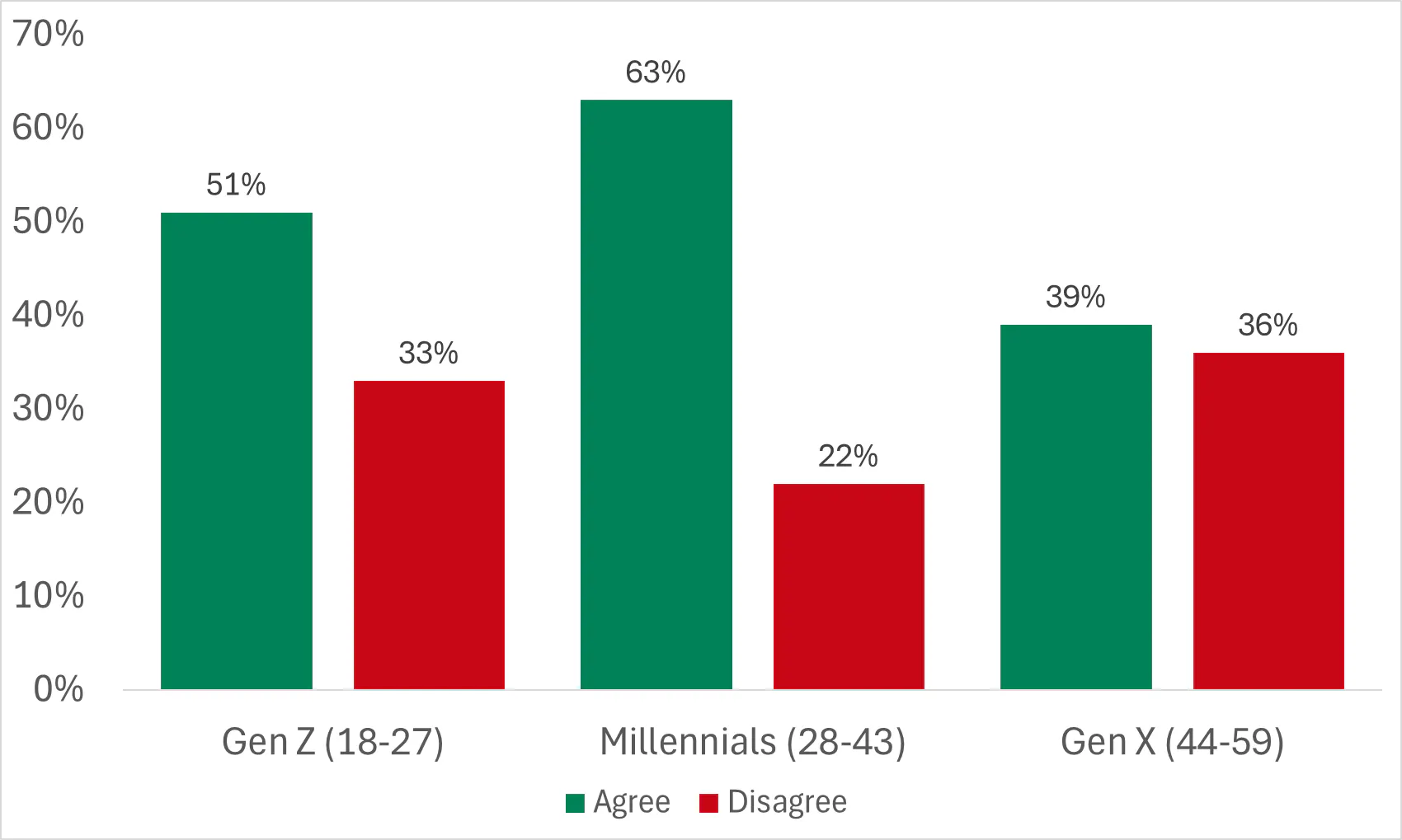
Source: J.P. Morgan Personal Investing survey of 1,000 UK retail investors. Chart measures agreement with the view that changes to rules and allowances puts respondents off saving or investing.
The rules governing pensions and investing can be complex, and can make it sensible to speak to a wealth expert. We provide free financial guidance, where we can work with you to explore your options, answer questions and discuss how you could use a combination of ISAs and pensions to help meet your financial objectives.
We also offer paid financial advice where we get to know you and build a personalised plan with recommendations to support your goals and for you to follow based on analysis of your income, savings, and spending habits. You will pay a one-off fixed fee and you can book a free consultation first to see if it's right for you. Our advice is 'restricted', because the plans and solutions we build for our clients are based on our own products and services, not those available outside of J.P. Morgan Personal Investing, although we take your full financial picture into account when building your plan. We’ll also tell you if a J.P. Morgan Personal Investing product isn’t suitable for you.
Risk warning
As with all investing, your capital is at risk. The value of your portfolio can go down or up and you may get back less than you invest. ISA/LISA/Pension eligibility rules apply. With LISAs, govt withdrawal charges may apply. Seek financial advice if you're unsure if a pension is right for you. Tax rules vary by individual status and may change. This is general information, not personalised tax advice. For personalised advice tailored to your specific situation please consult with a qualified tax adviser or financial planner. We provide 'restricted advice', meaning we only make investment recommendations on the products and services that we offer.
1 Opinium survey of 1,000 UK retail investors undertaken on 3 to 10 December 2025. Year-on-year data is compared with a survey undertaken by Opinium at the start of 2025 (9 to 16 January 2025) using the same panel of 1,000 UK investors. Opinium Research is a member of the British Polling Council and abides by its rules.